
Anyone in Western Sydney weighing a self exclusion casino option should treat it like a hard brake on a downhill run, not a polite request. The right setup gives you a clear, enforceable boundary that holds when motivation slips, which is exactly why a measured choice matters more than a flashy welcome pack. If you have ever watched a session drift past its own limit, you already know the value of a mechanism that removes the need for willpower in the moment.
How the exclusion model actually works

A proper self exclusion casino option is built around a fixed window you choose up front, with the operator required to block access rather than simply remind you to stop. The mechanics sit closer to a locked gate than a soft nudge: once the period starts, the account is suspended, marketing stops, and re-entry is prevented for the full term. That distinction matters because a system that depends on your memory is only useful on calm afternoons, not when you are tired, chasing losses, or sitting in a Western Sydney lounge room with the telly on and the coins already talking.
The maths behind that decision is the same kind of thinking I use when I tune a slot’s return profile against its volatility and physics model. You are not trying to win back time; you are setting a boundary that reduces variance in your behaviour, the way a lower-edge game stretches an entertainment budget further over a long night. In practice, the best exclusion tools make the commitment visible and irreversible for the chosen period, so the decision is made once and then enforced by the operator’s systems rather than by your mood.
What to look for before you commit
Clear terms and a fixed window
The first thing worth checking is whether the exclusion period is defined in plain language, with a start date, an end date, and a straightforward path to confirm what happens at the close of the term. A solid self exclusion casino option should not hide the details behind vague wording or make you guess whether “temporary” means a week or a month. This is the kind of clarity I look for when I compare a game’s stated hit frequency against its actual payout pattern, because a promise only matters when the numbers behind it are readable.
Marketing silence and account blocking
The second detail is what the operator does while the exclusion is live. The right setup stops promotional emails, suspends any active bonuses, and blocks login access so the temptation is not sitting there like an open tab. I have seen enough sessions derailed by a well-timed bonus offer to know that a boundary only works if the noise around it is switched off too. For anyone comparing notes on local gambling discussion boards, the recurring complaint is usually not the exclusion itself but the way marketing keeps knocking while the door is supposed to be locked.
Support that follows through after the term
The third piece is what happens when the period ends, because a good operator does not just flip the account back on and walk away. There should be a clear reminder, a chance to extend the exclusion if you want it, and access to support that understands the request was serious rather than a passing mood. That follow-through is what separates a useful tool from a box-ticking exercise, and it is the same kind of judgement call I make when I decide whether a physics-driven mechanic is genuinely serving the game or just dressing up a flat return curve. https://icefishingau.org/
Who this suits best
A self exclusion casino option is most useful for players who recognise a pattern they want to interrupt, not for anyone looking for a short pause between sessions. If you are the sort of player who can stop at a predefined point without much fuss, a simpler break or a tighter deposit limit may be enough. If you have found yourself returning after you meant to stop, especially on busy weeknights when Western Sydney feels like it is running on autopilot, then a harder boundary is the more honest fit.
The choice also depends on how you treat risk in general. I tend to favour lower-edge games for longer sessions because they reduce the cost of entertainment without pretending the outcome is anything other than chance, and the same logic applies here: a clear exclusion window is a way of lowering the variance in your own habits. The Interactive Gambling Act 2001 sets the broader shape of what is allowed onshore, but the practical value of any exclusion tool comes down to whether it is enforceable, readable, and backed by support that does not vanish when the period ends. For players who want that kind of structure, the option is worth taking seriously; for anyone chasing a quick reset without a real commitment, it is probably the wrong tool.
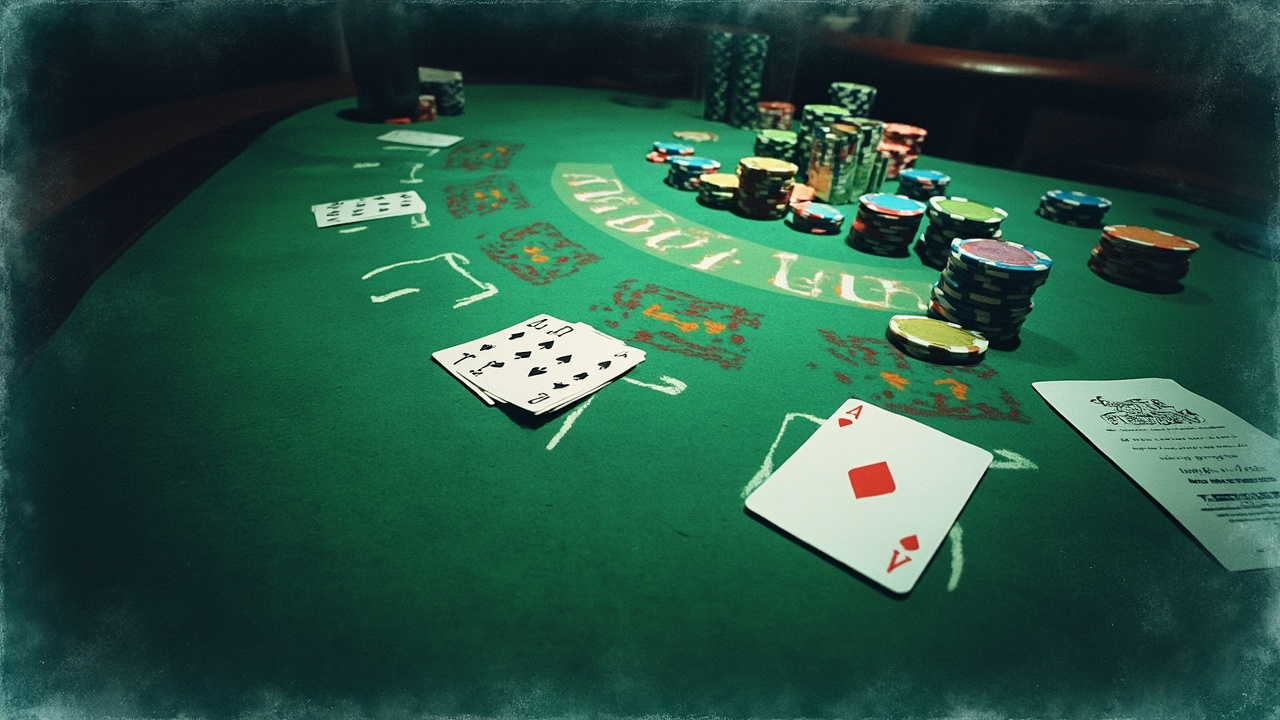
Choosing the right boundary is less about optimism and more about matching the mechanism to the problem you actually have. When the window is clear, the enforcement is real, and the support stays in place, a self exclusion casino option can do what it is supposed to do: remove the need to renegotiate with yourself in the middle of a session. Theaustralian